Supporting Your Journey to Independence

At SymbiosisCare, we offer a comprehensive range of NDIS-funded disability support services designed to help you achieve your goals and live your best life. Our person-centered approach ensures that every service is tailored to your unique needs, preferences, and aspirations.

Support Coordination NDIS

Support Coordination

Expert guidance to navigate your NDIS journey

What is Support Coordination?

Support Coordination helps you understand and implement your NDIS plan, connect with quality service providers, and build your capacity to coordinate your own supports over time.

Our Support Coordination Services Include:

  • Plan Understanding & Implementation: Help you understand your NDIS plan, budget categories, and how to use your funding effectively
  • Provider Connections: Connect you with quality, registered NDIS providers who match your needs and preferences
  • Service Agreement Support: Assist with understanding and setting up service agreements with providers
  • Budget Monitoring: Track your NDIS funding and ensure you're getting value for money
  • Crisis Support: Assistance during challenging times to ensure continuity of supports
  • Capacity Building: Develop your skills to coordinate your own supports independently
  • Plan Review Support: Help prepare for plan reviews and ensure your goals are being met
  • Advocacy: Support you to have your voice heard and your rights protected

Who Can Benefit?

Support Coordination is ideal for participants who need help navigating the NDIS, have complex support needs, are new to the NDIS, or want to build their capacity to manage their own plan.

Community Participation

Building connections and developing skills through meaningful activities

What is Community Participation?

Community Participation supports help you engage with your local community, develop social skills, pursue interests, and build meaningful relationships in a supported environment.

Our Community Participation Programs Include:

  • Social & Recreational Activities: Access to group activities, events, and community programs that match your interests
  • Skill Development Workshops: Programs focused on building life skills, communication, and independence
  • Community Access Support: One-on-one or group support to access community facilities, events, and activities
  • Sports & Recreation: Adaptive sports programs and recreational activities for all abilities
  • Arts & Culture: Creative programs including art classes, music therapy, and cultural activities
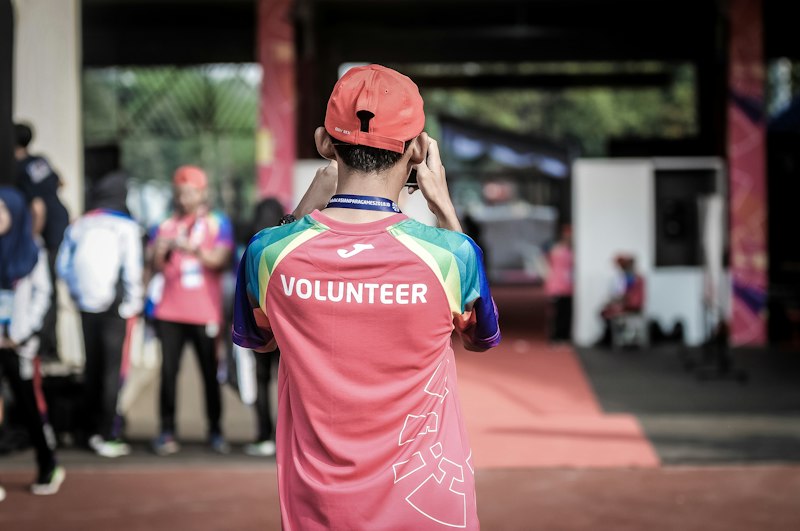
  • Volunteer Opportunities: Support to engage in meaningful volunteer work in the community
  • Social Groups: Facilitated peer support groups and social connection opportunities
  • Life Skills Training: Practical skills for daily living, cooking, budgeting, and public transport use

Benefits of Community Participation:

  • ✓ Reduced social isolation and loneliness
  • ✓ Improved confidence and self-esteem
  • ✓ Development of new skills and interests
  • ✓ Meaningful friendships and connections
  • ✓ Greater community inclusion and belonging
Community Participation Disability Support
Hospital to Home Transition Support

Hospital to Home Transition

Seamless discharge support for safe recovery at home

What is Hospital to Home Transition?

Hospital to Home Transition services ensure you have the right supports in place for a safe, comfortable transition from hospital to your home environment, facilitating better recovery outcomes.

Our Transition Support Includes:

  • Discharge Planning: Collaborate with hospital staff to develop a comprehensive discharge plan
  • Home Assessment: Evaluate your home environment and identify any modifications or equipment needed
  • Equipment Coordination: Arrange for medical equipment, assistive technology, and home modifications
  • Service Setup: Coordinate all necessary services (personal care, nursing, allied health) before discharge
  • Transport Arrangements: Organize safe transport from hospital to home
  • Medication Management: Ensure medication plans are understood and support is in place
  • Family Support: Educate and support family members and carers in providing care
  • Follow-up Care: Regular check-ins to ensure smooth adjustment and address any concerns
  • Allied Health Coordination: Connect with physiotherapists, occupational therapists, and other specialists

Why Choose Our Transition Support?

Hospital discharges can be overwhelming. Our experienced team coordinates every aspect of your transition, ensuring nothing is overlooked and you have confidence in your recovery journey at home.

Behavioral Support Implementation

Evidence-based strategies for positive behavioral change

What is Behavioral Support?

Behavioral Support Implementation involves putting evidence-based positive behavior support strategies into practice to reduce behaviors of concern and improve quality of life for participants and those around them.

Our Behavioral Support Services Include:

  • Behavior Support Plan Implementation: Putting approved behavior support plans into action with trained staff
  • Staff Training: Educating support workers and carers on positive behavior support strategies
  • Consistent Approach: Ensuring all team members use the same evidence-based strategies
  • Progress Monitoring: Regular data collection and monitoring of behavioral changes
  • Collaboration with Behavior Specialists: Working closely with psychologists and behavior support practitioners
  • Environmental Modifications: Making changes to settings to reduce triggers and promote positive behavior
  • Skill Development: Teaching communication, social, and coping skills
  • Family Support & Education: Helping families understand and implement strategies at home
  • Crisis Management: Trained responses to behavioral crises with focus on safety

Our Approach to Behavioral Support:

We believe in positive, person-centered approaches that focus on understanding the function of behavior, teaching alternative skills, and creating supportive environments. Our team is trained in trauma-informed care and restrictive practice reduction.

Key Principles:

  • ✓ Rights-based and person-centered
  • ✓ Focus on prevention rather than reaction
  • ✓ Evidence-based practice
  • ✓ Collaboration with all stakeholders
  • ✓ Continuous monitoring and improvement
Behavioral Support Positive Behavior

How to Get Started

1

Contact Us

Reach out via phone, email, or our contact form to discuss your needs

2

Initial Consultation

We'll meet to understand your situation, goals, and how we can help

3

Service Agreement

We'll create a tailored service agreement outlining supports and costs

4

Begin Services

Your support journey begins with our dedicated team by your side

Ready to Access Quality NDIS Support?

Contact us today to discuss which services are right for you